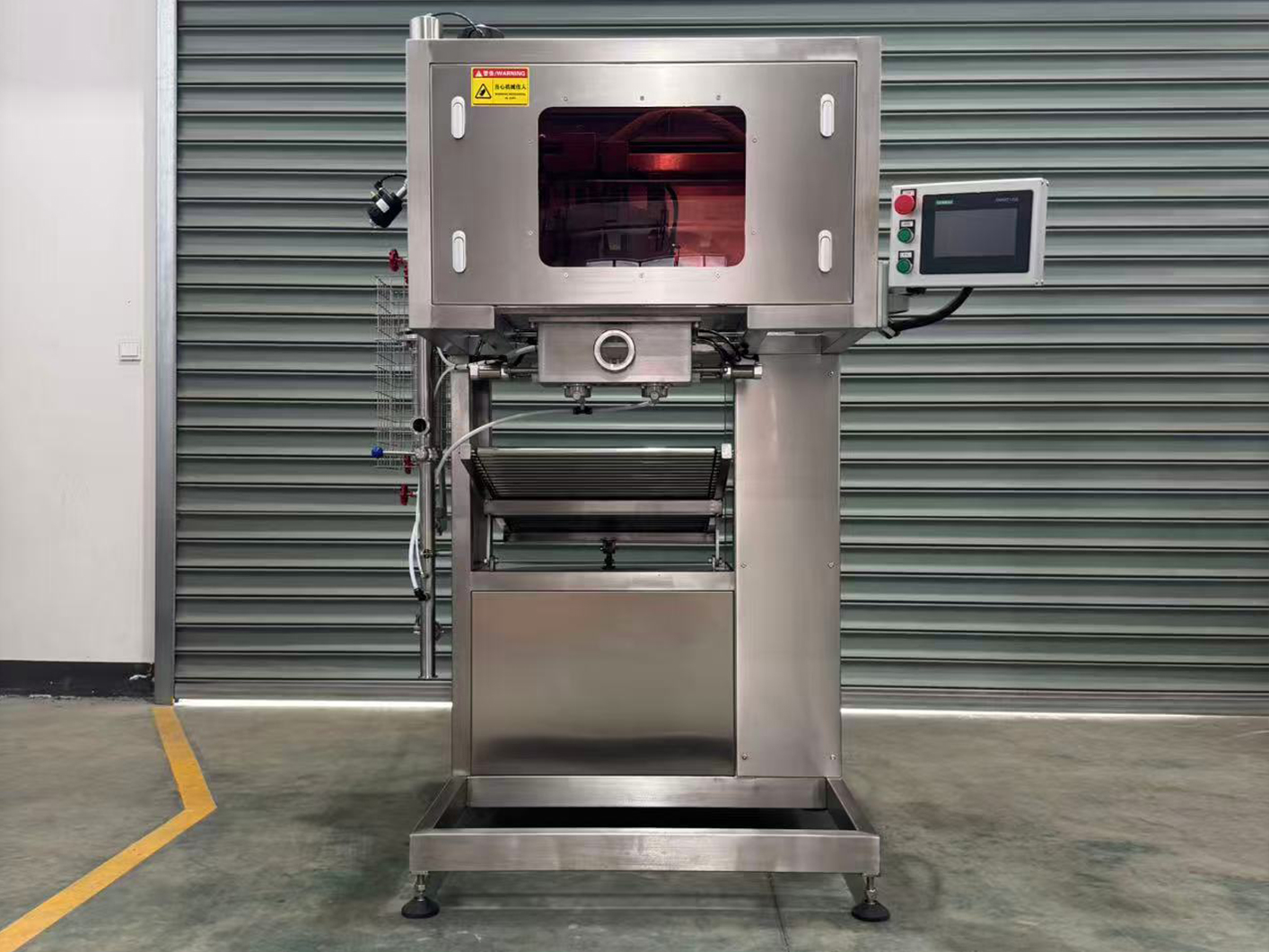
Food production cannot do without energy, and wastewater and waste residue are easily generated during the process. Improper treatment can have a significant impact on the surrounding environment. The key to energy conservation and environmental protection in the food industry lies in the improvement of equipment technology, starting from the source.
Technological progress in food processing equipment and energy conservation
The food production process, such as heating, cooking, temperature regulation, cooling, etc., consumes a lot of energy, but optimizing the production process can save a lot of energy. The energy consumption generated by food processing equipment varies greatly. Similarly, in the chocolate temperature control process, the use of modern equipment can reduce energy consumption by 50-80%, and intelligent control can reduce the energy consumption of the oven by 50% or more.
Energy conservation also includes packaging materials. The application of ultrasonic heat sealing technology has saved packaging materials. Firstly, the seam of the heat sealing joint generated by this process is narrower, so the required film material can be better utilized, and the number of tubular bags that can be made from each roll of film has also been greatly increased. On the other hand, the use of this process also makes it possible to use thinner and more economical films for product packaging, as there is no need to use additional heat sealing layers on the films. By using cheaper and thinner thin films, it is possible to save 30% on materials and costs.
Ultrasonic welding can also be used to join packaging materials contaminated by products, and can ensure the cleanliness and tightness of the joint area. This method can reduce the volume of the top space of the packaging and thus save packaging materials. Compared with hot sealing and cold sealing, this method can also increase the production of qualified products. Compared with the thermal Contact process method using heating tools, ultrasonic welding can save up to 80% of energy.
Optimize food processing technology to save resources
Lightweight is one of the development trends of modern food packaging, which can be seen from small Bottled water, mini wine, etc. On the one hand, lightweight helps to save raw materials and energy, optimize handling operations, and reduce transportation costs; On the other hand, it is also to avoid waste. Nowadays, whether it's metal cans, plastic, or glass packaging, all of these are becoming lighter and lighter, but at the same time, they have better packaging performance and stability.
In addition, optimizing food processing technology to save energy is also reflected in water treatment. As is well known, making food requires water. Not only does the production itself require water, but the finished product also contains water. In addition, many cleaning operations in food processing and packaging also require water. Water is one of the precious resources for human survival, reducing waste and avoiding pollution is the social responsibility that every food enterprise should bear.
Extracting, treating, and providing clean water involve significant energy consumption, including subsequent wastewater treatment. Therefore, in situ cleaning devices used in food processing and packaging machinery are currently popular. They not only have adapted time optimization processes, but also can save on resource consumption, such as water, energy, cleaning agents, and disinfectants, thereby protecting the environment, saving resources, and reducing procurement costs and cleaning agent and sewage treatment costs.
The natural resources on Earth are not inexhaustible and inexhaustible. If humans use these resources while also causing uncontrolled pollution, then